
Costa Rica Rainforest and Sustainable Travel Guide

Mist hangs in the canopy, howler monkeys call before sunrise, and a flash of blue morpho butterfly can stop a trail group in its tracks. The tropical rainforest in Costa Rica feels wild in the best way, yet much of it is surprisingly accessible for travelers who plan with care.
Costa Rica is one of the world’s favorite nature destinations because it protects an impressive share of its forests, beaches, rivers, and wildlife habitats. A single trip can include sloth sightings near the Pacific, cloud forest walks in the mountains, toucans in fruiting trees, and guided night tours where the forest seems to wake up all over again.
For nature lovers and adventure seekers, Costa Rica rainforest offers the right mix of comfort, discovery, and respect for the environment. The key is choosing the right region, traveling at the right time, and supporting guides, parks, and eco-lodges that take sustainable travel seriously.

Why the rainforest in Costa Rica feels so alive
The Rainforest in Costa Rica is not one single place. It spreads across lowland jungles, misty cloud forests, mangroves, river corridors, and coastal national parks. That variety is what makes wildlife viewing so rewarding.
In the lowland rainforest, heat and rain feed enormous trees, vines, orchids, bromeliads, and palms. In the cloud forest, higher elevations bring cooler air, moss-covered branches, and a dreamlike layer of fog. Near the coast, mangroves protect fish nurseries, birds, reptiles, and monkeys moving between forest edges.
This mix of habitats supports a huge range of species, including:
Mammals
Sloths, howler monkeys, capuchin monkeys, spider monkeys, coatis, agoutis, and, with luck, tapirs in more remote areas
Birds
Toucans, scarlet macaws, hummingbirds, motmots, trogons, tanagers, and the famous resplendent quetzal in cloud forest regions
Reptiles and amphibians
Basilisk lizards, iguanas, tree frogs, glass frogs, and many other species best seen with a trained guide
Insects and forest life
Leaf-cutter ants, butterflies, beetles, orchids, fungi, and countless small details that reveal how the forest works
A good naturalist guide can turn a quiet walk into a layered story. What looks like a plain branch may hold a camouflaged frog. A rustle in the leaves may be a troop of capuchins. A soft call overhead may lead to a toucan hidden in the canopy.
Manuel Antonio is a rainforest and beach classic
Manuel Antonio is one of Costa Rica’s most popular nature areas for good reason. It combines rainforest trails, Pacific beaches, rocky headlands, wildlife viewing, and easy access from the nearby town of Quepos.
The region is perfect for first-time visitors who want rainforest without needing a rugged expedition. Trails are generally manageable, guided tours are widely available, and the mix of beach and forest creates a strong chance of spotting animals.
Manuel Antonio National Park is the main highlight
Manuel Antonio National Park is the best-known place to visit the rainforest in the Manuel Antonio area. It is compact compared with some larger parks, but it packs in an impressive blend of wildlife and scenery.
Expect forest trails, coastal viewpoints, white-sand beaches, and frequent sightings of:
White-faced capuchin monkeys
Mantled howler monkeys
Two-toed and three-toed sloths
Iguanas and basilisks
Coatis and raccoons
Toucans, motmots, and other tropical birds
A guided walk is worth it here. Guides carry spotting scopes and know where animals tend to rest or feed. They also help visitors keep a respectful distance, which matters in a busy park.
The park often requires advance planning because visitor numbers can be limited, and it is usually closed one day per week. Check current park rules before going, buy tickets through official channels when required, and arrive early for cooler temperatures and better wildlife activity.
Rainmaker Conservation Park offers hanging bridges and quiet trails
Rainmaker Conservation Park sits inland from Manuel Antonio and offers a different rainforest experience. It is a good choice for travelers who want fewer crowds, suspension bridges, waterfalls, and a deeper green forest setting.
Trails can be wet and uneven, so shoes with grip matter. The reward is a quieter walk through lush vegetation, small waterfalls, and elevated bridges that bring the canopy closer.
Damas Island mangroves add a different kind of wildlife tour
Near Quepos, the Damas Island mangrove area gives visitors another view of tropical life. Mangrove boat and kayak tours move through narrow waterways lined with roots and branches. Monkeys, herons, kingfishers, crabs, and reptiles may appear along the edges.
This is a strong choice for families or travelers who want wildlife without a long hike. It also shows why coastal forests matter. Mangroves help protect shorelines and support many young marine species.

Other top rainforest areas to visit in Costa Rica
Manuel Antonio is a great start, but the country has many rainforest regions worth adding to an itinerary. The best choice depends on the kind of trip you want, from remote wildlife lodges to highland cloud forests.
Corcovado National Park feels remote and wild
Corcovado National Park on the Osa Peninsula is often described as one of Costa Rica’s most biologically rich areas. It is best for travelers who want a more serious nature experience and are comfortable with longer travel times, guided hikes, and basic conditions in some areas.
Wildlife possibilities include scarlet macaws, monkeys, coatis, tapirs, peccaries, and many bird species. Big cat sightings are rare, but the park protects habitat for jaguars and pumas.
Corcovado is not a casual walk-in destination for most visitors. Go with authorized guides, plan logistics in advance, and respect park rules closely.
Tortuguero National Park is made for boat-based exploration
Tortuguero, on the Caribbean coast, is a watery world of canals, rainforest, lagoons, and beaches. Since there are no standard road routes into the village, many visitors arrive by boat or small plane.
Canal tours are the main draw. Early morning boat rides can reveal monkeys, caimans, river turtles, herons, toucans, and other wildlife along the banks. Tortuguero is also famous for sea turtle nesting, with seasonal guided night walks when conditions allow.
This area suits travelers who enjoy slow observation. The best moments often happen quietly, while drifting along the water.
Monteverde and Santa Elena show the magic of cloud forest
Monteverde is not lowland rainforest, but it belongs in any Costa Rica nature guide. Its cloud forest reserves protect cool, misty habitat filled with moss, orchids, ferns, and birds.
Birdwatchers come for the chance to see the resplendent quetzal, especially during the right season. Hanging bridges, guided night walks, and forest reserves make the region easy to explore.
Pack a light jacket here. Temperatures can feel much cooler than the beach areas.
Arenal and La Fortuna mix rainforest with volcano views
The Arenal area near La Fortuna combines rainforest, rivers, hot springs, waterfalls, and views of Arenal Volcano when clouds lift. It is one of the best regions for travelers who want variety.
Popular activities include hiking, hanging bridges, waterfall visits, river floats, hot springs, and wildlife tours. It also has a wide range of lodging, from simple cabins to polished eco-minded resorts.
Sarapiquí is a strong choice for birds and river adventures
Sarapiquí, in the northern lowlands, is excellent for birdwatching, rafting, chocolate tours, and rainforest learning experiences. It often feels less crowded than famous beach destinations and works well for travelers who want a nature-focused stop between regions.
Birders, photographers, and families interested in educational tours often find Sarapiquí rewarding.
Best rainforest activities in Costa Rica
The best Tours in Costa Rica are not always the fastest or most packed. Rainforest travel rewards patience. Choose a few activities that match your energy level and leave room for weather, wildlife, and quiet time.
Hiking brings the forest into focus
Hiking is the classic rainforest activity. Trails range from short, accessible paths to full-day guided treks. In humid areas, start early, carry water, and expect mud during wetter months.
A guided hike helps with safety and wildlife spotting. A self-guided walk can still be rewarding in well-marked parks, especially if you slow down and listen.
Birdwatching is good almost everywhere
Costa Rica is a major birding destination. Even non-birders often become interested after seeing a toucan, motmot, hummingbird, or scarlet macaw.
For the best birdwatching:
Go early in the morning
Bring binoculars
Wear muted colors
Stay quiet on trails
Look for fruiting trees and forest edges
Manuel Antonio, Carara, Sarapiquí, Monteverde, Tortuguero, and the Osa Peninsula all offer rich birding possibilities.
Wildlife tours are best with trained guides
Wildlife tours can include day walks, night walks, boat trips, mangrove tours, and private naturalist outings. Night walks are especially memorable because frogs, insects, snakes, spiders, and nocturnal mammals become more active.
Choose guides who follow ethical practices. They should keep distance from animals, avoid feeding wildlife, and use lights carefully at night.
Canopy bridges and zip lines offer a higher view
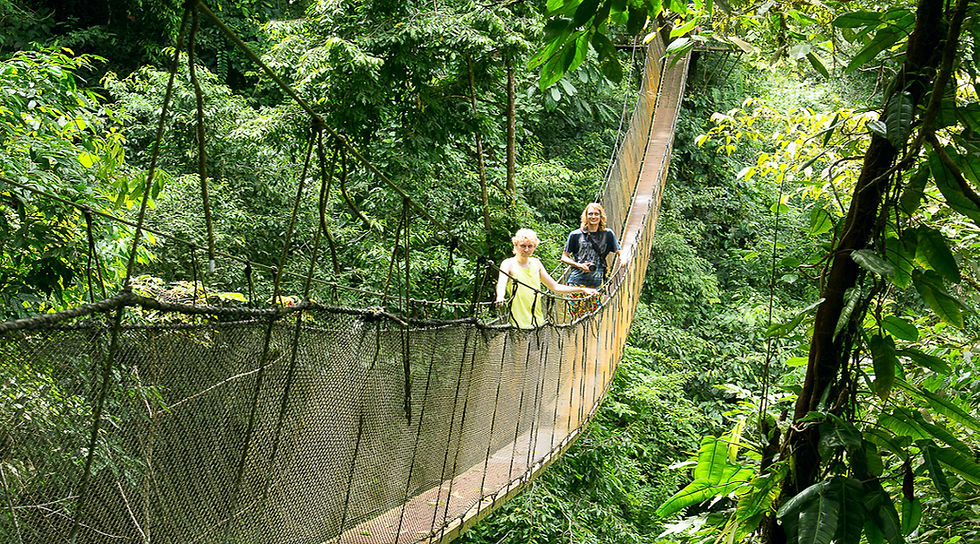
Hanging bridges give a slower canopy experience and often suit a wide range of travelers. Zip lines add speed and adventure, though they are more about thrill than wildlife viewing.
If wildlife is the priority, choose hanging bridges with a naturalist guide. If adrenaline is the goal, pick a reputable zip-line operator with strong safety standards.
Eco-lodges and sustainable travel choices matter
Where you sleep can shape the whole trip. Many Costa Rican eco-lodges sit near forests, rivers, beaches, or private reserves. The best ones do more than use a green label. They reduce waste, conserve water, support local workers, protect habitat, and help guests understand the place they are visiting.
Look for lodging that:
Uses local guides and staff
Limits single-use plastics
Treats wastewater responsibly
Supports conservation projects or private reserves
Offers refill stations for water
Serves local food when possible
Shares clear guest guidelines for wildlife and trails
Sustainable travel also means making choices day by day. Stay on marked trails. Keep noise low. Never feed monkeys, raccoons, or birds. Avoid touching frogs, insects, plants, and coral. Give wildlife space, even when other visitors crowd in for photos.
In Manuel Antonio, this matters a lot because animals can become too comfortable around people. Feeding wildlife may seem harmless, but it can make animals aggressive, sick, or dependent on human food.
Best times to visit Costa Rica’s rainforest
Costa Rica has two broad travel seasons, dry season and green season. Conditions vary by region, especially between the Pacific and Caribbean sides.
Season | Typical timing | What to expect |
Dry season | December to April on much of the Pacific side | Sunnier days, busier parks, higher demand for lodging |
Green season | May to November on much of the Pacific side | Lush forest, afternoon rain, fewer crowds in many areas |
Caribbean patterns | Often different from the Pacific | Rain can happen any month, with some drier windows |
For Manuel Antonio, many travelers prefer the dry season for beach and trail conditions. The green season can also be beautiful, with vivid forest growth and fewer people at some times. September and October are often much wetter on the Pacific side, so plan carefully if visiting then.
For wildlife, early morning is usually better than midday. Animals tend to be more active before heat builds, and birds are easier to hear and see.
What to pack for rainforest travel
Packing well can make the difference between a magical hike and a soggy, uncomfortable one. The rainforest is humid, trails can be muddy, and weather changes quickly.
Bring these basics:
Lightweight, quick-dry clothing
Comfortable hiking shoes or trail runners with grip
Rain jacket or poncho
Refillable water bottle
Insect repellent
Reef-safe sunscreen for beach areas
Binoculars for birds and canopy wildlife
Dry bag or waterproof phone pouch
Small daypack
Hat and sunglasses
Swimwear for waterfalls or beaches
Copies of key travel documents
Avoid heavy jeans on hikes. They dry slowly and feel uncomfortable in humid weather. Choose breathable fabrics and bring an extra pair of socks if you plan longer walks.
For night tours, pack a small flashlight or headlamp if the guide recommends it. Some tours provide lights, but having your own backup helps.

How to respect the rainforest while still enjoying it
Rainforest travel works best when visitors remember they are guests in a living habitat. Small actions protect animals, plants, guides, and future travelers.
Follow these simple rules:
Stay on marked trails
Keep at least a respectful distance from wildlife
Never feed animals
Pack out all trash
Use refillable bottles when possible
Keep voices low on trails
Follow guide and ranger instructions
Choose reef-safe sunscreen near beaches and waterways
Do not collect shells, plants, rocks, or wildlife
Support local businesses that care for conservation
Photos are part of the fun, but the best photo is never worth stressing an animal. If a sloth, monkey, bird, or reptile changes behavior because people move closer, it is time to back up.
A simple rainforest itinerary idea
For a balanced first trip, combine Manuel Antonio with one or two other regions.
A nature-focused route could look like this:
Arenal or La Fortuna
Volcano views, hanging bridges, hot springs, waterfalls, and rainforest trails
Monteverde
Cloud forest, birdwatching, night walks, and cooler mountain air
Manuel Antonio
Rainforest trails, beaches, sloths, monkeys, and mangrove tours near Quepos
For a wilder trip, swap one stop for Corcovado or Tortuguero. For a slower trip, spend more nights in fewer places. Costa Rica may look small on a map, but mountain roads, weather, and ferry or boat transfers can add time.
The best rainforest trip is not about checking off every park. It is about giving each place enough time to reveal itself.
Costa Rica’s rainforests offer rare access to rich wildlife, dramatic scenery, and travel experiences that can support conservation when planned well. Choose responsible guides, stay in thoughtful eco-lodges, pack for real rainforest conditions, and slow down on the trail. The forest will do the rest.