

Mangrove Ecosystem of Manuel Antonio
A Vital Natural Treasure — Biodiversity, Ecology, and Ecotourism
Mangrove forests are among the most remarkable and productive coastal ecosystems on Earth. In tropical and subtropical regions like Costa Rica, these unique habitats flourish where rivers meet the ocean — a dynamic interface of freshwater and saltwater teeming with life.
What Makes a Mangrove Forest So Special?
1. Coastal Transition Zones — Where Rivers Meet the Sea
Mangroves thrive in estuaries, tidal channels, and coastal lagoons — those critical transition zones between land and ocean. In the Manuel Antonio and Quepos region, these areas form the foundation of a rich, interlinked coastal ecosystem.
2. Salt-Tolerant Coastal Trees & Adapted Plant Species
Species such as Red Mangrove (Rhizophora mangle), Black Mangrove (Avicennia germinans), White Mangrove (Laguncularia racemosa), Buttonwood (Conocarpus erectus), and Yellow Mangrove (Rhizophora harrisonii) have adapted to thrive in brackish, saline waters. Their unique root systems — exposed prop-roots, aerial roots, and pneumatophores — allow them to breathe and anchor themselves in soft, waterlogged soils.
3. Ingenious Root Systems — Nature’s Coastal Engineering
The intricate web of mangrove roots stabilizes shorelines, traps sediments, and reduces erosion. This natural barrier shields the Pacific coast from storm surges and tidal impact — protecting coastal communities and preserving beaches.
4. Crucial Nursery Grounds — Supporting Marine Life
Mangrove forests are vital nurseries for countless marine species. Juvenile fish, crustaceans, mollusks — many commercially important — find shelter among roots and calm channels. Mangroves thus sustain sustainable fisheries, enhance marine biodiversity, and support the local economy.
5. Rich Biodiversity — A Habitat for Land, Sea, and Air
From crabs and oysters to exotic bird species, monkeys, and marine mammals, mangroves support a wide diversity of wildlife. These ecosystems are hotspots for Costa Rica wildlife, offering opportunities for nature lovers, bird watchers, and eco-tourists alike.
6. Natural Water Filtration & Nutrient Cycling
Mangroves filter sediments and trap nutrients, improving water quality for coastal lagoons and reefs. By processing organic matter and recycling nutrients, they sustain vital biogeochemical cycles that support marine ecosystems.
7. Carbon Storage & Climate Resilience
Mangrove forests are among the most efficient natural carbon sinks: they lock carbon in their biomass and soils, helping mitigate climate change and contributing to global carbon sequestration efforts.
8. Education, Research & Sustainable Ecotourism
Mangroves are living laboratories — perfect for scientific research, environmental education, and public awareness on conservation. For visitors, guided mangrove tours, kayaking, and birdwatching in mangrove reserves provide ecotourism experiences that promote appreciation and stewardship of nature.

Mangrove Forest in Manuel Antonio
Damas Island Mangrove Forest — The Heart of Manuel Antonio’s Coastal Ecosystem
On the Pacific coast of Costa Rica lies the expansive Damas Island Mangrove Forest, the most significant mangrove reserve near Manuel Antonio and Quepos. With its maze of tidal channels, dense mangrove canopy, and rich wildlife habitat, this forest is central to the region’s ecological health and coastal resilience.
Guided mangrove tours here allow visitors to explore winding waterways, observe vibrant wildlife, and learn about the ecological importance of mangroves — from shoreline protection to sustainable fisheries.
Protecting and conserving Damas Island’s mangrove forest is essential to safeguard biodiversity, support local communities, and promote sustainable tourism. Through responsible management, ecotourism, and environmental education, we can ensure these coastal ecosystems thrive.
Why Manuel Antonio & Quepos Mangroves Matter
Essential Habitat for Biodiversity: These mangrove forests support a diverse array of coastal and marine wildlife — from fish and crustaceans to birds, reptiles, and mammals.
Natural Coastal Protection: Mangroves reduce beach erosion, buffer storm surges, and stabilize shorelines — critical for communities along Costa Rica’s Pacific coast.
Sustainable Fisheries: Many commercial fish species rely on mangrove nurseries — helping sustain local fisheries and the livelihoods dependent on them.
Clean Water & Healthy Ecosystems: Mangroves filter sediments and nutrients, improving water quality for rivers, estuaries, and coral reefs.
Carbon Sequestration & Climate Mitigation: By capturing and storing carbon, mangroves contribute to climate resilience and environmental sustainability.
Ecotourism & Community Benefits: Eco-friendly tourism activities — kayaking, wildlife observation, guided mangrove tours — offer sustainable income for local communities while promoting conservation.
Research & Education: Mangroves are ideal for scientific study and public awareness, offering firsthand insight into coastal ecology, climate adaptation, and biodiversity conservation.
Mangrove Trees of Manuel Antonio: Coastal Guardians & Biodiversity Pillars
Red Mangrove (Rhizophora mangle): With its iconic prop-roots and salt-tolerant physiology, it anchors shorelines, filters sediments, and creates vital nursery habitats for marine life.
Piñuela Mangrove (Pelliciera rhizophorae): A regional gem with broad leaves and a key role in coastal stabilization, nutrient cycling, and biodiversity support — particularly in intertidal zones.
Black Mangrove (Avicennia germinans): Distinguished by its pneumatophores, this resilient species thrives in high salinity, provides shelter for wildlife, and contributes to shoreline stabilization.
White Mangrove (Laguncularia racemosa): Growing slightly inland, it helps prevent erosion, filter water, and protect nursery areas for marine species.
Buttonwood Mangrove (Conocarpus erectus): Occupying the transition between mangrove forest and dry land, Buttonwood stabilizes sediments, supports coastal biodiversity, and adds to the natural beauty of coastal landscapes.
Yellow Mangrove (Rhizophora harrisonii): With its striking yellow-green foliage and strong prop roots, this species is essential for shoreline stability, carbon storage, and providing nursery habitats in Damas Island’s mangrove system.
Mangrove Tours in Manuel Antonio
The mangrove ecosystem in Manuel Antonio is one of the best places in Costa Rica to experience nature, wildlife, and true eco-adventure. Just minutes from Manuel Antonio National Park, the Damas Island Mangrove Forest offers an unforgettable opportunity to explore pristine waterways filled with monkeys, birds, reptiles, and coastal marine life. Whether you choose a mangrove boat tour or a mangrove kayak tour, this unique coastal habitat delivers some of the region’s top wildlife sightings and one of the most immersive eco tours in Manuel Antonio.
Mangrove Boat Tour – Manuel Antonio, Costa Rica
Explore the stunning Damas Island Mangrove Forest on our relaxed and family-friendly Mangrove Boat Tour in Manuel Antonio. Glide through peaceful channels surrounded by lush mangrove trees, abundant wildlife, and breathtaking coastal scenery. This smooth, comfortable tour is ideal for all ages, offering incredible opportunities to spot monkeys, sloths, crocodiles, iguanas, and exotic birds. Guided by certified naturalists, you’ll learn about the mangrove ecosystem, local species, and the importance of Costa Rica’s coastal conservation.
Perfect for families, seniors, wildlife lovers, and anyone seeking a calm and immersive nature experience.

Mangrove Boat Tour
Mangrove Kayak Tour – Manuel Antonio, Costa Rica
Experience the mangroves up close on our exciting Mangrove Kayak Tour in Manuel Antonio. Paddle through the winding waterways of Damas Island, where wildlife thrives among towering root systems and tranquil tidal channels. This adventure is ideal for active travelers who want a deeper connection with nature. Spot monkeys, birds, reptiles, and marine life as your bilingual naturalist guide shares insights about the ecosystem, mangrove species, and local biodiversity.
Perfect for adventure seekers, couples, eco-travelers, and anyone wanting an active and authentic Costa Rica experience.

Mangrove Kayak Tour
Night Mangrove Boat Tour – Manuel Antonio, Costa Rica
Discover the mysterious side of the mangroves on our Night Mangrove Boat Tour in Manuel Antonio. Glide quietly through the calm waterways of Damas Island as darkness reveals a completely different world. Under the stars, the mangroves come alive with nocturnal wildlife hidden among the tangled root systems and serene tidal channels.
With the help of a knowledgeable bilingual naturalist guide, spot sleeping birds, crocodiles, frogs, bats, insects, and other fascinating nighttime creatures while learning about the mangrove ecosystem, its species, and the unique behaviors of animals after sunset. This relaxing boat experience is perfect for travelers who want to explore nature in a safe, comfortable, and unforgettable way.
Ideal for families, couples, nature lovers, and eco-travelers looking for a magical Costa Rica night adventure
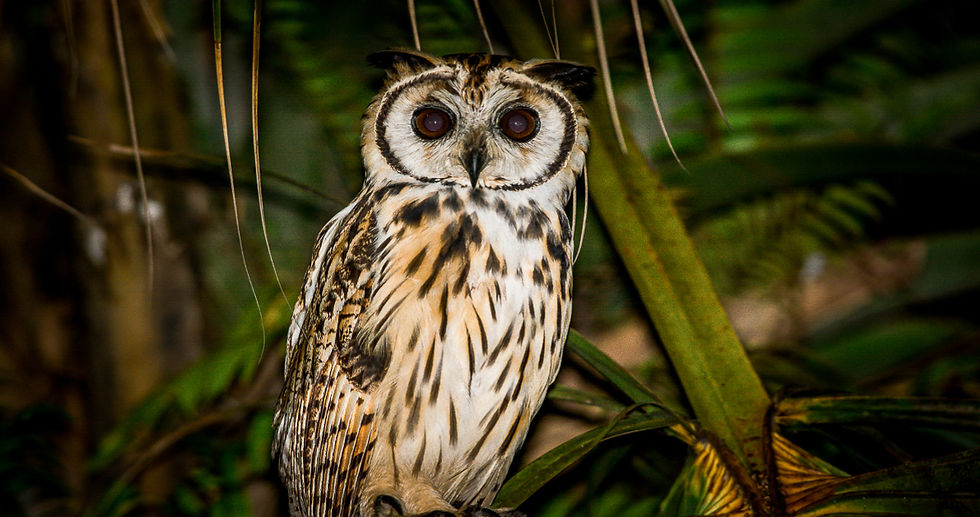
Night Mangrove Boat Tour
A Coastal Ecosystem Worth Preserving
Mangroves in Manuel Antonio, Quepos, and especially Damas Island — with their complex root systems, rich biodiversity, and crucial ecological functions — are living treasures of Costa Rica. They stand as guardians of the coast, nurseries for marine life, carbon sinks mitigating climate change, and thriving centers for sustainable ecotourism and environmental education.
By protecting and respecting these ecosystems, we ensure that mangrove forests continue to sustain wildlife, support local communities, and preserve the natural heritage of Costa Rica for generations to come.
Phone Numbers
WhatsApp:
Phone: +506 86328760
Tour Reservations:
Phone: +506 27770932
Park Opening Hours
Mon - Sun
7:00 am – 4:00 pm
Tuesday
Closed
Site Map