
Manuel Antonio Park
Natural History
This region of Costa Rica is renowned for its vibrant tropical rainforests, pristine beaches, and remarkable biodiversity, making it a sought-after destination for travelers from around the globe.
Manuel Antonio’s history dates back to the 1970s, when the area was still largely covered in thick forests, and the ocean's crystal-clear waters gently touched the shore. At that time, however, the region wasn’t yet protected, and it faced threats from development and deforestation.
Over time, the area’s natural beauty began to draw the attention of explorers and naturalists eager to uncover its hidden wonders. In 1972, the Costa Rican government took steps to safeguard this ecological gem by establishing Manuel Antonio Park.
Since its creation, the park has served as a sanctuary for wildlife and a haven for nature enthusiasts. Visitors can wander along its scenic trails, winding through dense jungle where they might spot sloths resting in the trees, butterflies dancing through flowers, and colorful parrots soaring overhead.
The area’s beaches are equally captivating, with their soft, white sands and inviting turquoise waters. They offer the perfect backdrop for sunbathing or engaging in water activities such as snorkeling and surfing.
However, as Manuel Antonio’s popularity has grown, it has faced challenges associated with increased tourism. The rising number of visitors has put additional strain on the local ecosystem, requiring park authorities to implement conservation strategies and promote sustainable tourism practices.
Despite these challenges, Manuel Antonio remains one of Costa Rica’s most iconic destinations—a place where the beauty of nature and human presence coexist harmoniously. Each year, thousands of people are drawn to the park in search of adventure, serenity, and a deeper connection with the natural world.
The story of Manuel Antonio National Park is one of dedication and reverence for the environment. It’s a testament to how a small piece of land can become a symbol of conservation and the unparalleled natural beauty of Costa Rica. While time may bring changes, the enchantment of Manuel Antonio Park endures, serving as a poignant reminder of the importance of preserving our planet for future generations.
%20(1)%202.jpg)
Geological Formation
Manuel Antonio Park is located along Costa Rica's Pacific coastline, an area known for its diverse geological features. The park's landscape was shaped over millions of years through tectonic movements and volcanic activity, resulting in rich soils and varied terrain, including mountains, cliffs, and beaches.
%20(1)%202.jpg)
Marine Biodiversity
The waters surrounding Manuel Antonio Park are home to a rich array of marine life. Coral reefs and seagrass meadows provide crucial habitats for a range of tropical fish, sea turtles, dolphins, and whales. The area is also a key nesting site for various seabird species.

Tropical Humid Forest
Lush tropical forests primarily cover the park. Within these ecosystems, you’ll find towering trees such as ceiba, almond, and laurel, as well as a variety of epiphytes, ferns, and orchids. This rich ecosystem supports an abundant range of wildlife, including monkeys, sloths, coatis, and numerous species of birds, reptiles, and amphibians.
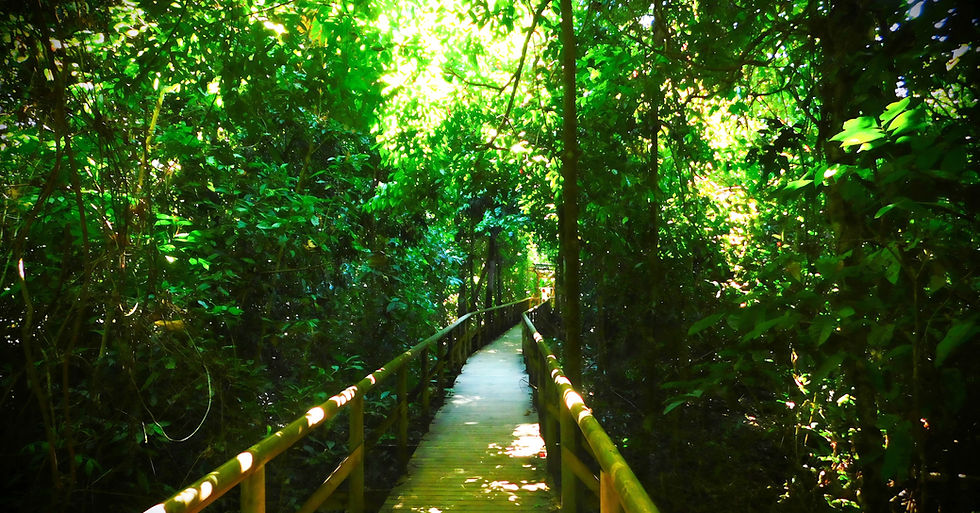
Beaches and Mangroves
Manuel Antonio Park is home to stunning white-sand beaches, framed by lush mangrove forests. These coastal habitats are essential for species like crocodiles, green iguanas, and various waterfowl. Mangroves play a key role in protecting the coastline from erosion and serve as critical breeding grounds for fish and crustaceans.

Conservation and Protection
The establishment of Manuel Antonio National Park is closely tied to ongoing conservation efforts. In 1972, it was officially designated a national park following advocacy from environmental organizations and local communities who pushed to protect this unique area. Today, while the park draws tourists from across the globe, it continues to face challenges related to the impacts of tourism and the need to preserve its rich biodiversity.
Climate and Seasonal Patterns of Manuel Antonio National Park
Manuel Antonio National Park is located along Costa Rica’s Central Pacific coast and experiences a tropical humid climate that plays a fundamental role in shaping its ecosystems, wildlife behavior, and plant life. Average temperatures typically range between 24°C and 30°C (75°F to 86°F) throughout the year, with high humidity levels that support dense tropical vegetation and rich biodiversity.
Dry and Rainy Seasons
The park’s climate is defined by two main seasons:
-
Dry season (December to April):
Characterized by lower rainfall, clearer skies, and warmer daytime temperatures. During this period, many animals concentrate around remaining water sources, making wildlife observation easier along forest trails and near streams.
-
Rainy season (May to November):
Marked by frequent rainfall, especially in the afternoons. This season is crucial for the regeneration of the forest, as increased moisture stimulates plant growth, flowering, and fruit production. The rainforest becomes particularly lush, and insect populations increase, supporting higher activity among birds, amphibians, and reptiles.
Seasonal Influence on Wildlife Behavior
Seasonal changes strongly influence the behavior and visibility of wildlife in Manuel Antonio. During the rainy season, frogs and amphibians become more active due to higher humidity, while many bird species take advantage of abundant food sources for nesting and breeding. Mammals such as monkeys and sloths adjust their feeding patterns based on fruiting cycles, which vary throughout the year.
In contrast, the dry season often provides better conditions for spotting animals in the canopy and along trails, as vegetation is slightly less dense and animals move more frequently in search of food and water.
Flowering, Fruiting, and Forest Regeneration
The tropical climate directly affects the flowering and fruiting cycles of many tree and plant species. These cycles are essential for sustaining wildlife, as fruits, seeds, and nectar form the base of many food chains. Seasonal rainfall also supports natural forest regeneration, particularly in secondary forest areas recovering from historical human disturbance.
Over time, the consistent interaction between climate, vegetation, and wildlife has shaped Manuel Antonio into a resilient and dynamic ecosystem. Understanding these climatic patterns provides valuable insight into the natural history of the park and highlights the delicate balance that sustains its remarkable biodiversity.
Primary and Secondary Forests of Manuel Antonio National Park
The forests of Manuel Antonio National Park are a mosaic of primary and secondary tropical rainforest, reflecting both ancient natural processes and more recent human history. Together, these forest types contribute to the park’s exceptional biodiversity and ecological resilience.
Primary Forests: Ancient Ecosystems
Primary forests are areas that have remained largely undisturbed for centuries. In Manuel Antonio, these forests are characterized by towering canopy trees, complex vertical structure, and a stable microclimate that supports a wide variety of plant and animal life. Massive trees such as ceibas, figs, and almendros dominate the upper canopy, while shade-tolerant plants thrive in the understory.
These ancient forests provide critical habitat for species that depend on mature ecosystems, including arboreal mammals, specialized birds, and epiphytic plants. The dense canopy regulates temperature and humidity, creating ideal conditions for orchids, bromeliads, and mosses that grow high above the forest floor.
Secondary Forests: Recovery and Regeneration
Secondary forests in Manuel Antonio developed in areas that were previously altered by human activities such as agriculture, logging, or settlement before the park was officially protected in 1972. Although younger than primary forests, these ecosystems are far from biologically poor.
Through natural regeneration, fast-growing tree species quickly reclaim disturbed land, improving soil quality and creating conditions that allow more complex vegetation to return over time. As the forest matures, it gradually attracts a wide range of wildlife, including monkeys, sloths, birds, and insects that play essential roles in seed dispersal and pollination.
Biodiversity in Regenerating Forests
One of the most remarkable aspects of Manuel Antonio is how secondary forests support high levels of biodiversity. Many animals move freely between forest types, using secondary growth as feeding grounds and migration corridors. Fruiting trees in regenerating areas often attract mammals and birds, accelerating the forest’s natural recovery process.
This coexistence of primary and secondary forests highlights the park’s ecological adaptability and underscores the importance of long-term conservation. Together, these forests form a living record of both natural evolution and successful environmental protection efforts.

Ecological Processes That Sustain Manuel Antonio National Park
Beyond its visible beauty and biodiversity, Manuel Antonio National Park is sustained by a network of natural ecological processes that operate continuously within its forests, beaches, and coastal ecosystems. These processes maintain ecological balance, support species diversity, and allow the park’s ecosystems to adapt and regenerate over time.
Seed Dispersal and Forest Renewal
Seed dispersal is one of the most important processes shaping the park’s forests. Many tree and plant species rely on animals such as monkeys, birds, bats, and small mammals to transport seeds across the landscape. As these animals feed on fruits and move through different habitats, they deposit seeds far from the parent plant, reducing competition and promoting genetic diversity.
In Manuel Antonio, seed dispersal plays a crucial role in forest regeneration, particularly in secondary forest areas. Species like howler monkeys, white-faced capuchins, and various bird species contribute directly to the natural recovery and expansion of forest cover.
Pollination and Plant Reproduction
Pollination is another essential process that supports plant reproduction and biodiversity. A wide variety of organisms participate in pollination, including hummingbirds, butterflies, bees, bats, and other insects. Each plays a specialized role, transferring pollen between flowers and enabling fruit and seed production.
The diversity of pollinators in the park ensures that flowering plants reproduce successfully throughout the year, supporting continuous food availability for wildlife and maintaining the structural complexity of the forest.
Decomposition and Nutrient Cycling
The warm, humid climate of Manuel Antonio accelerates decomposition, allowing fallen leaves, branches, and organic matter to break down rapidly. Fungi, bacteria, insects, and other decomposers transform this material into nutrients that are absorbed back into the soil.
This nutrient cycling process is vital in tropical ecosystems, where soils are often thin and nutrient-poor. By efficiently recycling organic matter, the forest sustains its productivity and supports the growth of large trees and dense vegetation.
Predator–Prey Balance
Predator–prey relationships help regulate animal populations and maintain ecological balance within the park. Predators such as snakes, birds of prey, and small wild cats control populations of rodents, insects, and other prey species, preventing overpopulation and habitat degradation.
This balance ensures that no single species dominates the ecosystem, allowing diverse plant and animal communities to coexist. Healthy predator–prey dynamics are a key indicator of a functioning and resilient ecosystem.
Connection Between Marine and Terrestrial Ecosystems
One of the defining features of Manuel Antonio National Park is the close interaction between its marine and terrestrial ecosystems. The park’s forests, mangroves, beaches, and coastal waters function as an interconnected ecological system, where energy and nutrients move continuously between land and sea.
Nutrient Flow Between Ocean and Forest
Marine processes play an important role in supporting coastal vegetation. Nutrients carried by ocean currents and tides are deposited along beaches and mangrove areas, enriching the soil and supporting plant growth. Organic material such as seaweed and marine debris contributes to nutrient input, benefiting insects, crustaceans, and other organisms that form the base of the coastal food web.
These nutrients ultimately support terrestrial wildlife, as insects and small animals attract birds, reptiles, and mammals from the nearby forests, creating a dynamic exchange between ecosystems.
Mangroves as Ecological Transition Zones
Mangroves serve as a critical transition zone between land and sea. Their complex root systems stabilize coastlines, reduce erosion, and trap sediments, improving water quality. Mangrove habitats provide shelter and breeding grounds for fish, crustaceans, and mollusks, many of which later migrate to coral reefs or open ocean environments.
For terrestrial species, mangroves offer feeding and resting areas, especially for birds and reptiles. This dual role makes mangroves one of the most productive ecosystems within Manuel Antonio National Park.
Beaches and Wildlife Life Cycles
The park’s beaches are not only scenic landscapes but also biologically important environments. Sandy shores play a role in the life cycles of various species, including seabirds and marine turtles that use beaches for nesting. The interface between beach and forest allows animals to move between habitats, accessing food and shelter as needed.
Coastal vegetation helps stabilize dunes and protects inland forests from salt spray and strong winds, further emphasizing the interdependence of these ecosystems.
Marine Species and Coastal Forests
Many marine species depend indirectly on coastal forests for survival. Healthy forests reduce sediment runoff into the ocean, protecting coral reefs and seagrass beds from damage. In turn, these marine habitats support fish populations that are essential to the overall biodiversity of the region.
This continuous interaction between land and sea is a key reason why Manuel Antonio, despite its relatively small size, supports such a high concentration of life across multiple ecosystems.

Human Impact on the Natural History of Manuel Antonio
While Manuel Antonio National Park is celebrated for its natural beauty and biodiversity, its landscapes and ecosystems have been shaped over centuries by human influence. Understanding these impacts provides important context for the park’s history, current conservation efforts, and ongoing ecological resilience.
Historical Land Use Before Protection
Before its designation as a national park in 1972, the area that is now Manuel Antonio was subject to various human activities. Parts of the land were cleared for agriculture, cattle grazing, and small settlements, while other areas were logged for timber. These activities reduced forest cover, disrupted wildlife habitats, and altered natural processes such as seed dispersal and predator–prey balance.
Despite this disturbance, natural regeneration processes began to restore parts of the forest, demonstrating the resilience of tropical ecosystems.
Recovery After National Park Designation
The creation of Manuel Antonio National Park marked a turning point. Legal protection allowed forests to regrow and wildlife populations to recover, while controlling activities that had previously degraded habitats. Secondary forests now thrive alongside primary forests, providing critical corridors for animals and supporting high biodiversity.
Over decades, this recovery has been enhanced by reforestation projects, habitat restoration, and scientific monitoring, which have helped stabilize the park’s ecosystems.
Modern Conservation Challenges
Even with protection, human activity continues to influence the park. Tourism pressure, infrastructure development, and recreational activities can disturb wildlife and increase environmental stress. Additionally, surrounding communities contribute to indirect pressures, such as runoff, pollution, and the introduction of invasive species.
Park management addresses these challenges through visitor limits, designated trails, environmental education, and strict regulations, balancing public access with the preservation of fragile ecosystems.
Waste, Wildlife Behavior, and Visitor Limits
Human presence directly affects wildlife behavior. Animals may avoid heavily trafficked areas, alter feeding habits, or become habituated to human food. To minimize these effects, park authorities enforce strict waste management, no-feeding policies, and educational programs that teach visitors how to interact responsibly with nature.
By managing human impact, the park ensures that ecological processes, species survival, and natural beauty remain intact for future generations.
The Natural Land Bridge of Manuel Antonio
One of the most remarkable features of Manuel Antonio National Park is its natural land bridge, a narrow stretch of land that connects coastal forests with offshore islets and the Pacific Ocean. This geographic formation is not only visually striking but also ecologically significant, providing critical pathways for species movement and genetic exchange.
Formation and Geological History
The land bridge was shaped over millions of years by tectonic activity, volcanic processes, and coastal erosion. Rising and falling sea levels during the Pleistocene era contributed to the creation of this natural corridor, allowing terrestrial species to cross between what would otherwise be isolated landforms.
The combination of rocky cliffs, sandy beaches, and forested slopes has created microhabitats that support a wide variety of plants and animals, from epiphytic orchids to small mammals.
Ecological Importance
The land bridge serves as a biological corridor, allowing species to move safely between forest patches, beaches, and mangrove areas. This connectivity is essential for:
Seed dispersal by birds and mammals
Migration and feeding of reptiles, amphibians, and small mammals
Genetic exchange between isolated populations, maintaining biodiversity and resilience
By linking terrestrial and coastal ecosystems, the land bridge enhances overall ecosystem health and supports species that would otherwise be restricted to fragmented habitats.
Unique Habitat Features
Several species in Manuel Antonio rely specifically on the land bridge’s habitats. For example:
Birds use the corridor for nesting and hunting
Mammals traverse the land bridge in search of food or mates
Coastal plants benefit from nutrient-rich sediments deposited along the edges
The mixture of forest, sandy beach, and rocky terrain creates niches that support rare and endemic species, adding to the park’s ecological value.
Conservation Significance
Because of its small size, the natural land bridge is sensitive to human impact. Trampling, litter, or habitat disturbance can disrupt animal movement and plant regeneration. Park authorities carefully manage access, ensuring that visitors can enjoy this feature without compromising its ecological function.
Protecting the land bridge safeguards not only a scenic landmark but also an essential link in the complex web of life that defines Manuel Antonio National Park.

Trees and Plants
Manuel Antonio Park is home to vibrant vegetation, featuring a wide variety of trees and plants. Some of the most notable trees include the ceiba, almond, laurel, and ficus, which make up the forest canopy and offer shelter and sustenance to many species. Epiphytic plants like bromeliads and orchids thrive on the tree trunks, while heliconias and palms add vivid color and enhance the park's natural beauty.
Mammals
The park hosts a diverse range of mammals, including titi monkeys, sloths, coatis, and wild cats like the jaguarundi and ocelot. These animals are crucial to the ecosystem, contributing to seed dispersal and helping regulate insect and rodent populations. Their ability to thrive in the tropical rainforest highlights their remarkable adaptations to an ever-changing and varied environment.
Reptiles and Amphibians
Reptiles and amphibians are vital components of the ecosystem in Manuel Antonio Park. Among the reptiles, you'll find species like the American crocodile, green iguana, and various snakes, including boa constrictors and coral snakes. The amphibian population includes poison dart frogs, salamanders, and toads. These creatures are essential to the food web and serve as important indicators of the overall health of the environment.
Birds
Manuel Antonio National Park is a true paradise for bird enthusiasts, with more than 180 species recorded within the park's limits. Some of the most notable birds include toucans, parrots, hummingbirds, and various waterfowl like herons and pelicans. These birds are crucial to the park's ecosystem, as they help with pollination, seed dispersal, and the regulation of insect and small animal populations.
Insects
Insects are a crucial, though frequently unnoticed, component of the wildlife in Manuel Antonio Park. From vibrant butterflies to beetles and ants, these tiny creatures are essential for pollinating plants, breaking down organic matter, and supporting the food chain. The wide variety and large numbers of insects found in the park are a strong indicator of the overall health of the ecosystem.
*If you want to fully experience the incredible nature and wildlife of Manuel Antonio, we offer a variety of unforgettable tours available year-round. Explore Our Tours

"A Costarican Symbol "Three Toed Sloth
The three toed sloth, a beloved symbol of Costa Rica and an emblematic species of Manuel Antonio National Park, is famous for its leisurely pace of life. This endearing, slow-moving animal has become a national icon, embodying the peacefulness, biodiversity, and ecological harmony that define the country.

In Manuel Antonio , the sloth finds an ideal environment to flourish. The park’s lush vegetation and diverse tree species create a safe haven for this unique creature. The warm, humid climate also complements the sloth’s slow-moving, tree-dwelling lifestyle.
Known as one of the best locations globally to observe sloths, Manuel Antonio National Park offers visitors the chance to encounter these remarkable animals in their natural surroundings. With some patience and a keen eye, it’s possible to spot sloths hanging from branches or gliding slowly through the forest canopy.
As a prominent species in the park, the sloth represents the rich biodiversity of Costa Rica. Its presence not only enriches the visitor experience but also highlights the importance of preserving this vital ecosystem for future generations. For the best experience, it is highly recommended to visit the park with a certified guide who can provide valuable insights into this fascinating species.
*Download the most recent scientific study for Manuel Antonio Park: Scientific PDF

"Preserving Manuel Antonio National Park is not just about protecting a place, but safeguarding a legacy of nature’s wonder for generations to come."
Phone Numbers
WhatsApp:
Phone: +506 86328760
Tour Reservations:
Phone: +506 27770932
Park Opening Hours
Mon - Sun
7:00 am – 4:00 pm
Tuesday
Closed
Site Map